Terroir and Tradition: An Aegean Culinary Pilgrimage
Words by the Editorial Desk of 111111 • 7 Minute Contemplation
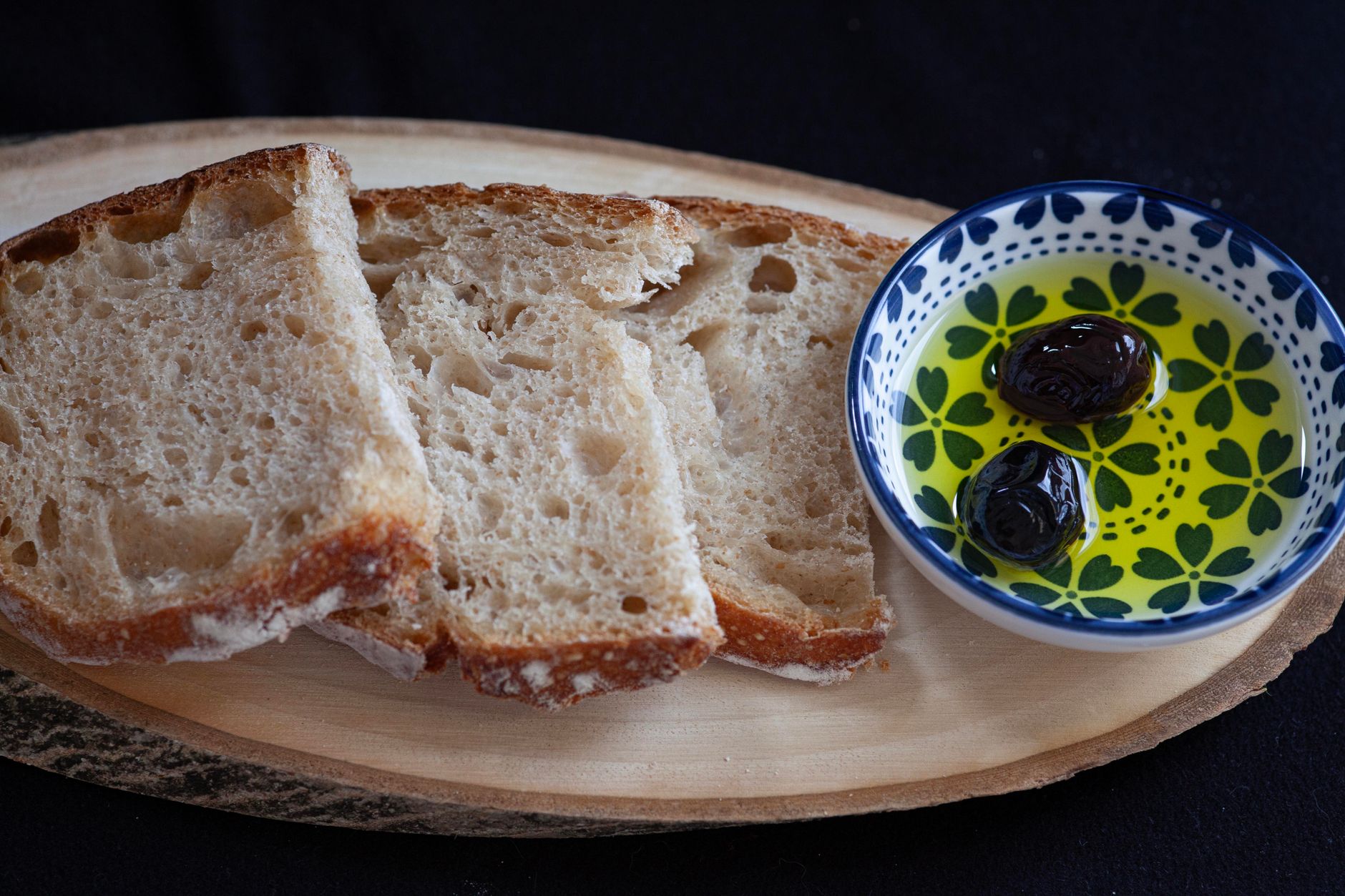
Table of Contents
In the southern Cyclades, food has never been a curated performance; it is an enduring covenant between sun, salt, and rugged volcanic stone. To understand Mediterranean gastronomy, one must leave coastal beach clubs behind and head into the upland villages where elders still harvest capers from whitewashed walls.
1. The Volcanic Vineyards of Santorini
Long before luxury suites lined the caldera rim, Santorini's farmers developed the kouloura method: pruning grapevines into low, tightly woven ground baskets that protect delicate Assyrtiko grapes from ferocious Aegean gales while absorbing moisture from morning sea mist.
Tasting an unfiltered vintage produced from ungrafted centenary vines reveals an intense, chalky salinity that no modern cellar trickery can mimic. It is the purest distillation of rock, sea breeze, and volcanic ash.
“A meal in the Aegean is not merely fuel; it is a direct communion with the bedrock of history.”
2. Ancient Olive Presses in Naxos
Crossing toward Naxos, the terrain softens into fertile plateaus dotted with olive trees exceeding five hundred years in age. Here, small multi-generational cooperatives cold-press hand-harvested fruit within hours of gathering, yielding an oil of startling emerald clarity and peppered warmth.
3. The Sanctity of the Aegean Table
To sit beneath a reed canopy at sunset with local wood-fired sourdough, fresh sheep's milk mizithra, wild mountain greens, and grilled sardines caught that morning is to recognize what the modern world has sacrificed in the name of convenience: intimacy, seasonality, and grace.
Custom Gastronomic Expeditions
Collaborate with our culinary curators to assemble private tastings and estate stays across the Mediterranean.
Design a Gastronomic Journey